


Introduction
In today’s fast-moving world, many people feel tired, distracted, and low on motivation. The good news is that you can improve your energy levels by following a healthy daily routine for better energy. You don’t need expensive tools or complicated plans. Simple habits, done consistently, can completely change how you feel every day.
A well-balanced routine helps your body and mind work together smoothly. It improves your sleep, boosts your mood, and helps you stay focused on your goals. Whether you are a student, a working professional, or someone managing a busy home, building a healthy daily routine for better energy can make your life easier and more productive.
In this article, you will learn what a health routine really means, why it matters, and how to create one step by step. You will also discover common mistakes, helpful tips, and answers to frequently asked questions. By the end, you will have a clear and simple plan to follow.
What is Healthy Daily Routine for Better Energy?
A healthy daily routine for better energy is a set of positive habits that you follow every day to keep your body and mind active, focused, and refreshed. It includes activities like waking up on time, eating nutritious meals, exercising regularly, and getting enough sleep.
This routine is not about strict rules. Instead, it is about creating a balanced lifestyle that supports your natural energy levels. When your day is well-structured, your body knows when to wake up, when to eat, and when to rest.
For example, someone who wakes up early, drinks water, exercises, eats healthy meals, and sleeps on time is more likely to feel energetic than someone with an irregular schedule.
In simple terms, a healthy daily routine for better energy helps you feel better, think clearly, and perform well throughout the day.
Why is Healthy Daily Routine for Better Energy Important?
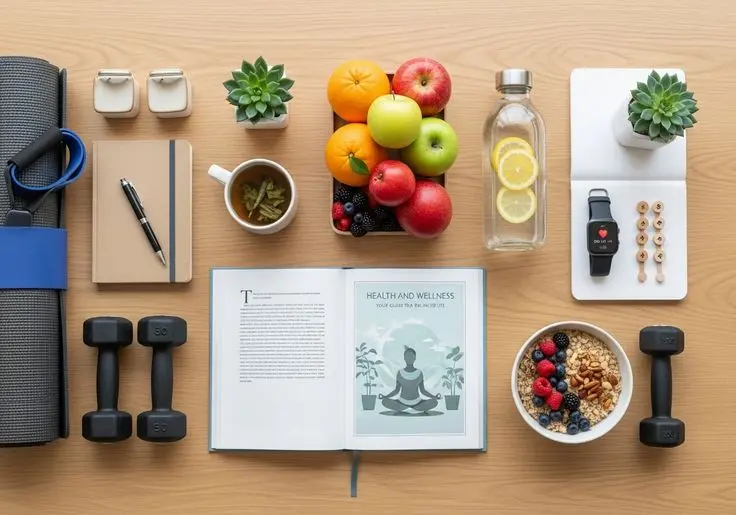
Having a healthy routine is important because it directly affects your physical and mental health. Without a proper routine, your body becomes confused, leading to fatigue, stress, and poor focus.
Here are a few reasons why it matters:
First, it improves your energy levels. When you follow a routine, your body works efficiently, and you feel less tired.
Second, it boosts your productivity. You can complete tasks faster when your mind is clear and focused.
Third, it supports better sleep. A consistent schedule helps your body develop a natural sleep cycle.
Fourth, it reduces stress. When your day is organized, you feel more in control.
Finally, it improves overall health. Good habits like exercise and healthy eating reduce the risk of illness.
Detailed Step-by-Step Guide
Morning Routine
Your morning sets the tone for the entire day. Starting your day the right way can make a big difference.
1. Wake Up Early
Try to wake up at the same time every day. This helps your body build a natural rhythm.
2. Drink Water
After waking up, drink a glass of water. It helps hydrate your body and boosts your metabolism.
3. Light Exercise
Do simple exercises like stretching, walking, or yoga. Even 10–15 minutes can increase your energy.
4. Healthy Breakfast
Eat a balanced meal with protein, fiber, and healthy fats. For example:
- Eggs and whole-grain bread
- Oatmeal with fruits
- Yogurt with nuts
5. Plan Your Day
Take a few minutes to plan your tasks. This keeps you organized and reduces stress.
Midday Routine
Your energy often drops during the middle of the day. Good habits can help you stay active.
1. Stay Hydrated
Drink water regularly. Dehydration can cause tiredness.
2. Eat Balanced Meals
Include vegetables, protein, and whole grains in your lunch.
3. Take Short Breaks
Work for 60–90 minutes, then take a short break. This improves focus and productivity.
4. Move Your Body
Avoid sitting for long hours. Walk around or stretch every few hours.
5. Avoid Heavy Snacks
Choose healthy snacks like fruits, nuts, or smoothies instead of junk food.
Evening Routine
Your evening habits prepare your body for rest and recovery.
1. Light Dinner
Eat a light and healthy dinner. Avoid heavy or oily foods.
2. Limit Screen Time
Reduce phone and TV usage before bedtime. Blue light affects sleep.
3. Relax Your Mind
Try activities like reading, meditation, or deep breathing.
4. Prepare for Tomorrow
Organize your tasks and clothes for the next day.
5. Sleep on Time
Aim for 7–8 hours of sleep. A fixed bedtime improves sleep quality.
Following these steps consistently will help you build a strong healthy daily routine for better energy.
Benefits of Healthy Daily Routine for Better Energy
- Improves physical health and fitness
- Boosts mental clarity and focus
- Increases productivity and efficiency
- Enhances mood and reduces stress
- Supports better sleep quality
- Helps maintain a healthy weight
- Builds discipline and consistency
- Reduces fatigue and laziness
Disadvantages / Risks
- Requires time and patience to build
- Can feel difficult in the beginning
- Lack of flexibility if followed too strictly
- May cause stress if expectations are too high
- Needs consistency for long-term results
Common Mistakes to Avoid
Many people try to follow a healthy routine but fail due to simple mistakes.
One common mistake is trying to change everything at once. Start small and build gradually.
Another mistake is skipping meals. This can lower your energy levels instead of improving them.
People also ignore sleep. Without proper rest, no routine will work effectively.
Overworking is another issue. Taking breaks is important for maintaining energy.
Lastly, being inconsistent can ruin your progress. Try to follow your routine daily, even on weekends.
Avoiding these mistakes will help you stay on track.
FAQs
1. How long does it take to build a healthy routine?
It usually takes 2–4 weeks to build a basic routine. However, making it a habit can take a few months.
2. Can I customize my routine?
Yes, your routine should match your lifestyle, work schedule, and personal goals.
3. Is exercise necessary every day?
Light activity is recommended daily, but intense workouts can be done 3–5 times a week.
4. What should I do if I feel tired during the day?
Take short breaks, drink water, and eat a healthy snack to restore your energy.
5. Can a routine improve mental health?
Yes, a structured day reduces stress and improves mood.
6. What is the best time to sleep?
Sleeping between 10 PM and 11 PM is ideal for most people.
Expert Tips & Bonus Points
Start your day with positive thoughts. A calm mind leads to a productive day.
Keep your routine simple. Complicated plans are hard to follow.
Track your progress. Writing down your habits helps you stay consistent.
Listen to your body. Adjust your routine based on how you feel.
Stay flexible. Life can be unpredictable, so don’t be too strict.
Add activities you enjoy. This makes your routine more enjoyable.
Consistency is more important than perfection. Even small efforts matter.
Conclusion
Creating a healthy daily routine for better energy is one of the best decisions you can make for your life. It does not require perfection or drastic changes. Instead, it focuses on small, consistent habits that improve your physical and mental well-being over time.
By waking up early, eating nutritious food, staying active, and getting enough sleep, you can transform your daily life. A good routine helps you stay focused, reduces stress, and keeps you motivated throughout the day.
It is important to remember that everyone is different. Your routine should match your lifestyle and personal needs. Start with simple steps and improve gradually. Even if you face challenge, stay consistent and keep going.
