


Introduction
Solo travel is one of the most exciting and life-changing experiences a person can have. It gives you freedom, independence, and the chance to explore the world at your own pace. However, traveling alone also comes with responsibilities, especially when it comes to safety. That is why understanding this checklist is very important for every beginner and intermediate traveler.
When you travel alone, you are responsible for every decision you make, from choosing accommodation to exploring new places. A small mistake can sometimes lead to unwanted problems. On the other hand, proper planning and awareness can make your journey smooth, enjoyable, and safe. Many travelers today prefer solo trips because they want personal growth and freedom, but safety should always come first.
In this guide, you will learn practical this checklist that will help you stay prepared in any situation. Whether you are traveling to a nearby city or another country, these tips will give you confidence and peace of mind. Let’s explore everything step by step so you can travel smart and safe without stress.
What is Solo Travel Safety Tips and Checklist?
Solo travel safety tips and checklist refers to a set of guidelines, habits, and preparations that help individuals stay safe while traveling alone. It includes planning before the trip, safety measures during travel, and precautions after reaching your destination.
These tips usually cover important areas such as document safety, financial protection, emergency contacts, accommodation selection, and awareness of surroundings. The checklist part ensures that nothing important is missed before or during the journey.
In simple words, it is a complete safety plan designed for solo travelers to reduce risks and increase confidence. It helps you avoid common travel problems like getting lost, losing valuables, or facing unsafe situations.
Why is Solo Travel Safety Tips and Checklist Important?
Understanding this checklist is important because it helps you stay prepared for unexpected situations. When you are alone, you do not have immediate support from friends or family, so being cautious becomes essential.
It also helps in building confidence. When you know you are prepared, you feel more relaxed and enjoy your trip more. Safety planning reduces stress and allows you to focus on exploring new places and cultures.
Moreover, it helps prevent emergencies. From health issues to lost documents, a good checklist ensures you are ready for different challenges. This makes your travel experience smooth and worry-free.
Detailed Step-by-Step Guide
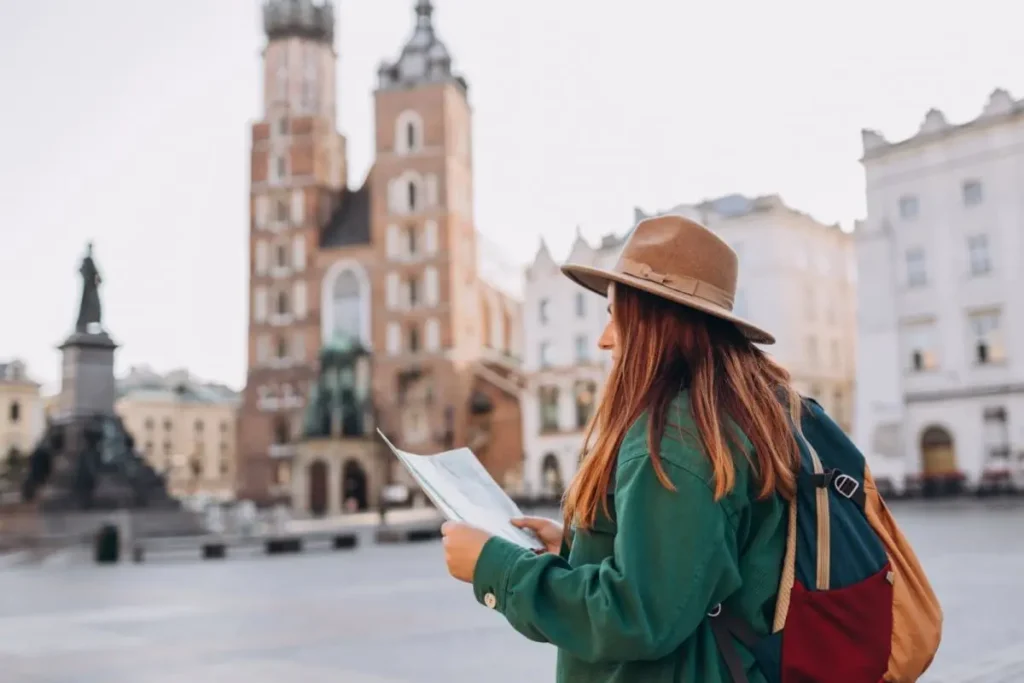
Step 1: Plan Your Trip Carefully
Before you travel, research your destination thoroughly. Learn about local culture, transportation, and safe areas. Always keep copies of important documents.
Step 2: Pack Smart and Light
Carry only essential items. Keep your passport, money, and phone in secure places. Use anti-theft bags if possible.
Step 3: Choose Safe Accommodation
Select hotels or hostels with good reviews and safe locations. Avoid isolated places, especially if you are new to the area.
Step 4: Stay Connected
Share your travel plan with family or friends. Keep your phone charged and always have emergency contacts saved.
Step 5: Be Aware of Surroundings
Stay alert in public places. Avoid sharing too much personal information with strangers.
Benefits of Solo Travel Safety Tips and Checklist
- Increases personal safety during travel
- Builds confidence and independence
- Reduces travel stress and anxiety
- Helps in emergency preparedness
- Improves decision-making skills
Disadvantages / Risks
- Requires extra time for planning
- Can feel overwhelming for beginners
- May limit spontaneous decisions
- Needs constant awareness
- Can be stressful if ignored
Common Mistakes to Avoid
Many solo travelers make mistakes such as ignoring local rules, not researching destinations, or carrying too many valuables. Another common mistake is not sharing travel plans with someone trustworthy. Avoiding these mistakes can significantly improve your travel safety.
FAQs
Q1: What are the most important solo travel safety tips and checklist items?
A1: The most important items include document safety, emergency contacts, secure accommodation, and awareness of surroundings.
Q2: Is solo travel safe for beginners?
A2: Yes, it is safe if proper planning and safety precautions are followed carefully.
Q3: How do I stay safe while traveling alone at night?
A3: Avoid unsafe areas, use trusted transportation, and stay in well-lit places.
Q4: What should I pack for solo travel safety?
A4: Pack essential documents, emergency cash, phone, power bank, and basic medicines.
Q5: How can I avoid getting lost during solo travel?
A5: Use offline maps, learn basic directions, and stay connected with GPS.
Q6: Why is a checklist important for solo travelers?
A6: It ensures you do not forget important safety steps and helps you stay prepared.
Expert Tips & Bonus Points
Always trust your instincts while traveling alone. If something feels unsafe, avoid it immediately. Keep backup copies of documents in digital form. Try to arrive at your destination during daylight hours for better safety. Learn basic local phrases if traveling to a foreign country. Stay calm in emergencies and seek help from official authorities when needed.
Conclusion
Solo travel is one of the most powerful ways to grow as a person and explore the world with complete freedom. When you travel alone, you learn independence, confidence, and responsibility in a very real way. Every decision you make shapes your journey, which is why preparation is so important.
Using proper solo travel safety tips and checklist helps you avoid common risks and travel with peace of mind. From planning your trip, choosing safe accommodation, managing your money, to staying aware of your surroundings, every small step adds an extra layer of safety. When you are well-prepared, you can enjoy your journey without unnecessary stress or fear.
It is also important to remember that no trip is completely risk-free, but smart planning reduces problems to a minimum. Trusting your instincts, staying alert, and keeping communication open with family or friends can make a huge difference in your experience.
